A waterside setting with a remarkable architectural neighbour.
Glenn Murcutt’s work beside the creek.
Berowra Waters Inn began as a teahouse and guesthouse in the 1920s. Glenn Murcutt’s transformation emerged in 1977, with its final stage completed in 1983. Sandstone, corrugated metal and glass louvres connect the building to its waterside setting. [1]
The road and ferry had a practical purpose.
The road completed in 1902 linked Arcadia with Berowra railway station through Berowra Waters, helping farmers get produce to city markets. Boatshed owner Jack Smith operated the ferry between the creek’s shores. Moving people and materials has always been central to this place. [2]
Borrow the question, rather than the building.
For your home, the architectural question is personal: how could the rooms make more of the outlook, light and outdoor space? The Inn is a local reference for thinking about place; it is not an Elite Additions project. Your own site and needs should shape the answer.
Start with the outlook. Then work through the access.
A beautiful concept still needs a practical route to construction. Tell Scott how the property is reached, where materials could be stored and what you hope to change. We can discuss whether the project suits our scope before arranging the next steps. If water transport is involved, that needs to be understood from the outset. Our nearby Berowra Heights case study shows a different kind of challenging site, clearly identified below.
A river setting calls for a site-led design.
The 2021 Census records a small, detached-house housing stock in Berowra Waters. Hornsby’s River Settlements development guidance describes a desired character that responds to the bushland setting and natural topography. For your home, that suggests a useful starting point: improve how the building works while carefully considering its relationship to the site.
Improve the rooms you use most
Explore a kitchen, bathroom or internal renovation that makes daily life easier. Existing services, the building’s condition and delivery access help define a workable scope.
Investigate a carefully placed extension
Consider where additional space could fit and how it would meet the existing house. Levels, outlook, privacy and the applicable property controls need to be considered together.
Connect inside and outside
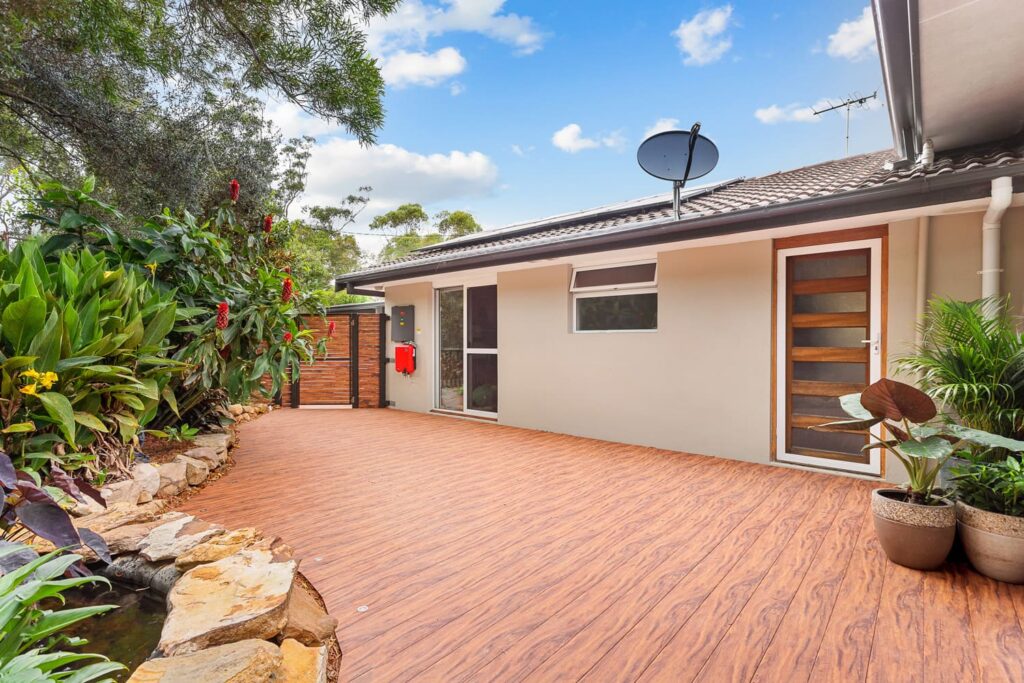
Discuss a deck or outdoor living area as part of the overall design. The structure, weather exposure and safe access deserve the same attention as the view.
At Berowra Waters, access belongs in the first conversation.
Berowra Waters is within Hornsby Shire, whose development control plan includes River Settlements provisions. The requirements for a proposal depend on the specific land and work. Tell us whether vehicles can reach the house or whether any transport would be by water. Delivery, waste removal, storage and emergency access need a practical review before we confirm project suitability.
Know what matters for your address.
Check applicable foreshore and flood controls, bushfire mapping and heritage status for the address. A riverside location is not a site assessment.
DA, CDC and the next step for your Berowra Waters home.
Foreshore location, access and site constraints need to be understood before deciding between DA and CDC pathways. Ask the design team to check which River Settlements provisions apply to the property. Start with a clear site description and a realistic brief, then establish the required investigations.
A CDC is a complying development certificate; a DA is a development application. Explore the NSW approval pathways and confirm what applies to your proposed work.
See what the work can look like.
These completed projects are in the surrounding area. Each is labelled with its actual location so you can explore the work and discuss what is relevant to your home.
SURROUNDING AREA / BEROWRA HEIGHTS
An extension on a steep, rocky site
See how a local extension addressed excavation, a suspended slab and the project’s Flame Zone requirements.
A useful first conversation.
Tell Scott your suburb, the spaces you want to change and whether you already have plans. We can discuss project fit and the information needed for the next step. You do not need to have every answer before making contact.
Explore our process or design services if you are still working through the possibilities.
What shapes your budget and timing?
Transport and material handling can be significant parts of a river-site project. We would need to establish the access arrangements and construction approach before giving you a meaningful scope or programme. Initial contact is a suitability discussion, including whether the access conditions are a fit for the proposed work.
Timing also depends on design, approvals, selections and the agreed construction scope. We will discuss those stages in relation to your project.
Questions about building in Berowra Waters.
Can you take on a water-access property?
Please discuss the address and access arrangements with Scott first. We need to assess logistics and project suitability before confirming that we can take on the work. We do not assume every Berowra Waters property can be serviced in the same way.
Do river-settlement planning controls matter for an extension?
They may. Hornsby’s River Settlements guidance is a relevant starting point, together with the controls and mapped constraints for the specific property. Get the proposed scope reviewed before relying on a design or assumed approval pathway.
Do you have a completed Berowra Waters case study?
The example linked here is in nearby Berowra Heights. It demonstrates work on a steep, rocky site, but it is not presented as a waterfront or boat-access project. Scott can discuss how its lessons relate to your enquiry.
Local history and property checks.
Local history is drawn from the sources below. Historic dates describe the documented places and events, not the age or designer of every home. Housing figures are from the 2021 Census. Property guidance reviewed 11 October 2026; confirm current requirements for your address and proposal.
Also exploring nearby areas? Berowra Heights · Mount Kuring-gai · Mount Colah. View all the areas we cover.
Tell Scott what you have in mind.
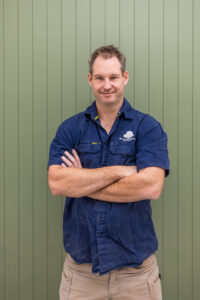
Start with your suburb, the work you are considering and whether you already have plans. Scott brings 20 years of building experience and will discuss a suitable next step with you.
You can share plans and photographs after we make contact. The current enquiry form does not upload files.