
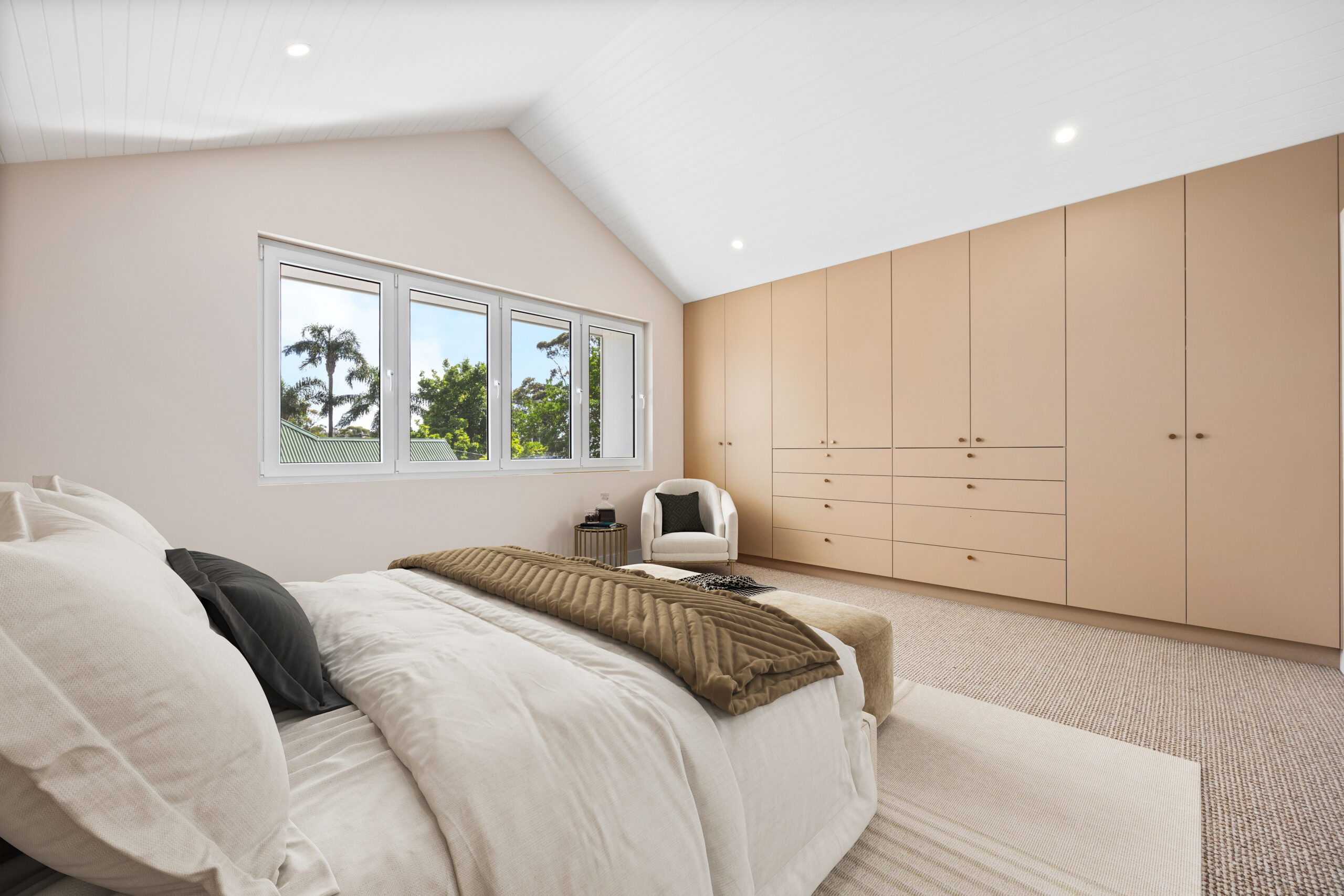
First Floor Addition Cost Sydney | 2026 Price Guide
A first floor addition is one of the biggest renovation projects a homeowner can take on. It can add bedrooms, bathrooms, living space and long-term value without needing to move, but it also involves serious planning, structural work, approvals and careful construction.
As a rough guide, many first floor additions in Sydney can range from around $450,000 to $900,000+ depending on the size of the addition, the existing home, access, engineering, finishes and how much of the lower floor is affected.
Every project is different, so the best way to get a realistic price is to review the plans, structure, access and scope properly before construction begins.
Already have plans? Send them through and we can review the project.
Starting from scratch? Book a feasibility conversation and we can help you understand the next steps.
Send Us Your Plans
Book a Feasibility Call
How Much Does a First Floor Addition Cost in Sydney?
The cost of a first floor addition depends on what is being built and how complex the existing home is.
A simple addition with bedrooms and basic finishes will usually cost less than a larger second-storey addition with bathrooms, custom windows, high-end finishes, structural changes and major work to the ground floor.
As a general guide:
Basic first floor addition: from around $450,000 to $600,000+
Mid-range first floor addition: around $600,000 to $800,000+
Larger or more complex first floor addition: $800,000 to $900,000+
Architectural or highly detailed projects: $900,000+
These figures are only a guide. The final cost depends on design, approvals, engineering, access, finishes and the condition of the existing home.
What Affects the Cost of a First Floor Addition?
The biggest cost factors are usually structure, access, design and finishes.
A first floor addition is not just building a new room upstairs. The existing home often needs to be strengthened, opened up, protected from weather and carefully staged so the new work can be built safely.
Common cost factors include:
• Size of the addition
• Structural engineering
• Existing roof removal
• New floor framing
• Wall frames and roof trusses
• Stairs
• Bathrooms and plumbing
• Windows and external doors
• Cladding and roofing
• Electrical and air conditioning
• Scaffolding and access
• Weather protection
• Internal changes downstairs
• Level of finishes
• Approvals, design and consultant costs
The more the existing home is affected, the more planning and cost is usually involved.
Why First Floor Additions Can Cost More Than People Expect
Many homeowners compare a first floor addition to a simple new room or normal renovation. In reality, adding another level to an existing home is more complex.
The builder may need to remove part or all of the existing roof, protect the house from weather, strengthen the structure, coordinate trades in a tight space and manage work around the existing home.
There can also be hidden issues once work begins, especially in older homes. Existing framing, services, drainage, access, ceiling heights and structural details can all affect the final build.
This is why early planning is so important.
First Floor Addition vs Ground Floor Extension
A ground floor extension can be a good option if there is enough land available and the layout suits the home.
A first floor addition may be better when you want to keep backyard space, add bedrooms upstairs, improve views or avoid using up valuable land.
However, going up usually means more structural work. The existing home must be assessed to work out whether it can support the new level and what upgrades are required.
The right option depends on your block, existing house, budget, family needs and planning controls.
Can You Live in the House During a First Floor Addition?
Sometimes homeowners can stay in the house during parts of the work, but it depends on the scope and safety of the project.
A first floor addition can involve roof removal, structural work, scaffolding, temporary weather protection, electrical changes, plumbing work, dust and noise. If large parts of the home are opened up, living in the house may not be practical or safe during certain stages.
If the home is occupied during the build, the project needs careful planning around access, safety, weather protection, temporary services and communication.
This should be discussed early so everyone understands what is realistic before construction starts.
Do You Need Council Approval for a First Floor Addition?
Most first floor additions need an approval pathway before building starts. Depending on the property and design, this may involve a Development Application, Complying Development Certificate or another approval process.
The correct pathway depends on the site, zoning, planning controls, setbacks, height limits, privacy, overshadowing, bushfire requirements and the design of the addition.
Elite Additions can work with homeowners who already have plans and approvals, or with clients who need help moving from an idea into a design and build pathway.
How Long Does a First Floor Addition Take?
Timeframes vary depending on design, approvals, engineering, scope and site conditions.
As a rough guide, the planning and approval stage can take several months. The construction stage for a first floor addition may take several months as well, depending on the size and complexity of the work.
The total timeframe can be affected by:
• Design changes
• Approval delays
• Engineering requirements
• Weather
• Material availability
• Site access
• Clients living in the home
• Variation decisions
• Trade sequencing
A realistic programme should be discussed before construction begins.
How to Get a More Accurate First Floor Addition Price
The more information available, the more accurate the price can be.
If you already have architectural plans, engineering or approvals, send them through for review. This allows the builder to assess the scope, structure, access, inclusions and possible budget risks.
If you do not have plans yet, a feasibility conversation can help you understand what may be possible, what could affect the budget and what steps are needed before spending money on design.
Useful information includes:
• Property address or suburb
• Existing house photos
• Site access details
• Architectural plans if available
• Engineering if available
• Approval status
• Desired rooms and layout
• Rough budget range
• Ideal timeframe
Plans Ready or Starting From Scratch?
Elite Additions works with homeowners at different stages.
Some clients already have architectural plans, engineering or approvals and need a builder to review, price and prepare a construction pathway.
Other clients are starting earlier and need help with feasibility, design coordination, approvals, engineering and construction planning.
Both are valid starting points. The key is getting practical building advice early enough to avoid wasting time and money on a design that does not suit the budget or build process.
Start Your First Floor Addition
Planning a first floor addition in Sydney?
Already have plans? Send them through and we can review the project.
Starting from scratch? Book a feasibility conversation and we can help you understand what is possible, what may affect the budget and what steps are needed before construction begins.
Send Us Your Plans
Book a Feasibility Call